

The environmental cost of e-waste is one of the most urgent sustainability challenges facing businesses today. Every year, millions of tons of discarded computers, servers, monitors, and networking equipment end up in landfills, incinerators, and unregulated recycling operations around the world. The toxic materials inside these devices contaminate soil, pollute waterways, and expose communities to dangerous chemicals. Connecticut businesses that rely on technology have both an opportunity and a responsibility to address this growing crisis through responsible IT asset management and certified electronics recycling.
Understanding the true scope of the problem is the first step toward making a difference. When organizations choose to work with a certified recycler instead of simply discarding old equipment, they help close the loop on valuable materials, protect public health, and demonstrate corporate responsibility that customers and stakeholders increasingly expect.
The Scale of the E-Waste Problem
Electronic waste is the fastest-growing waste stream on the planet. According to the U.S. Environmental Protection Agency, the world generates approximately 60 million metric tons of e-waste annually, and that number continues to climb as technology refresh cycles accelerate. In the United States alone, businesses and consumers discard millions of tons of electronics every year, yet only a fraction of that material is recycled through certified channels.
The sheer volume is staggering, but the low recycling rate is equally concerning. Studies estimate that less than 20 percent of global e-waste is formally documented and recycled. The remaining 80 percent is either landfilled, incinerated, or processed through informal operations that extract valuable metals while ignoring the hazardous byproducts. For Connecticut businesses retiring IT equipment on a regular basis, this context makes the choice of disposition partner critically important.
What Makes E-Waste Dangerous?
Unlike ordinary office waste, electronic equipment contains a complex mixture of hazardous materials that pose serious environmental and health risks when improperly handled. Common toxic substances found in IT equipment include:
- Lead: Found in solder on circuit boards and CRT monitors, lead is a potent neurotoxin that accumulates in soil and water
- Mercury: Present in flat-panel display backlights and switches, mercury damages the nervous system and can contaminate entire waterways from a single source
- Cadmium: Used in rechargeable batteries and semiconductor components, cadmium is a known carcinogen that persists in the environment for decades
- Brominated flame retardants: Applied to plastic housings and circuit boards, these chemicals are endocrine disruptors that bioaccumulate in wildlife and human tissue
- Hexavalent chromium: Used in metal coatings and corrosion protection, this compound is highly toxic and carcinogenic when inhaled or ingested
A single computer monitor can contain several pounds of lead. A server rack full of decommissioned equipment may contain enough hazardous material to classify as a regulated waste stream. Without proper handling, these materials create environmental liabilities that can persist for generations.
Where Does E-Waste End Up?
When businesses dispose of electronics without using certified recycling channels, the equipment typically follows one of several problematic paths. Much of it ends up in municipal landfills, where toxic materials leach into groundwater over time. Some is shipped overseas to developing nations, where informal recyclers burn circuit boards over open fires and use acid baths to extract precious metals, releasing toxic fumes and contaminated wastewater into surrounding communities.
Even within the United States, not all recyclers operate responsibly. Some domestic operations stockpile equipment without processing it, eventually abandoning warehouses full of hazardous material. Others export e-waste under the guise of charitable donations or equipment refurbishment, only to have it processed under unsafe conditions abroad. These realities underscore why choosing a certified, transparent recycling partner is essential.
The Impact on Human Health
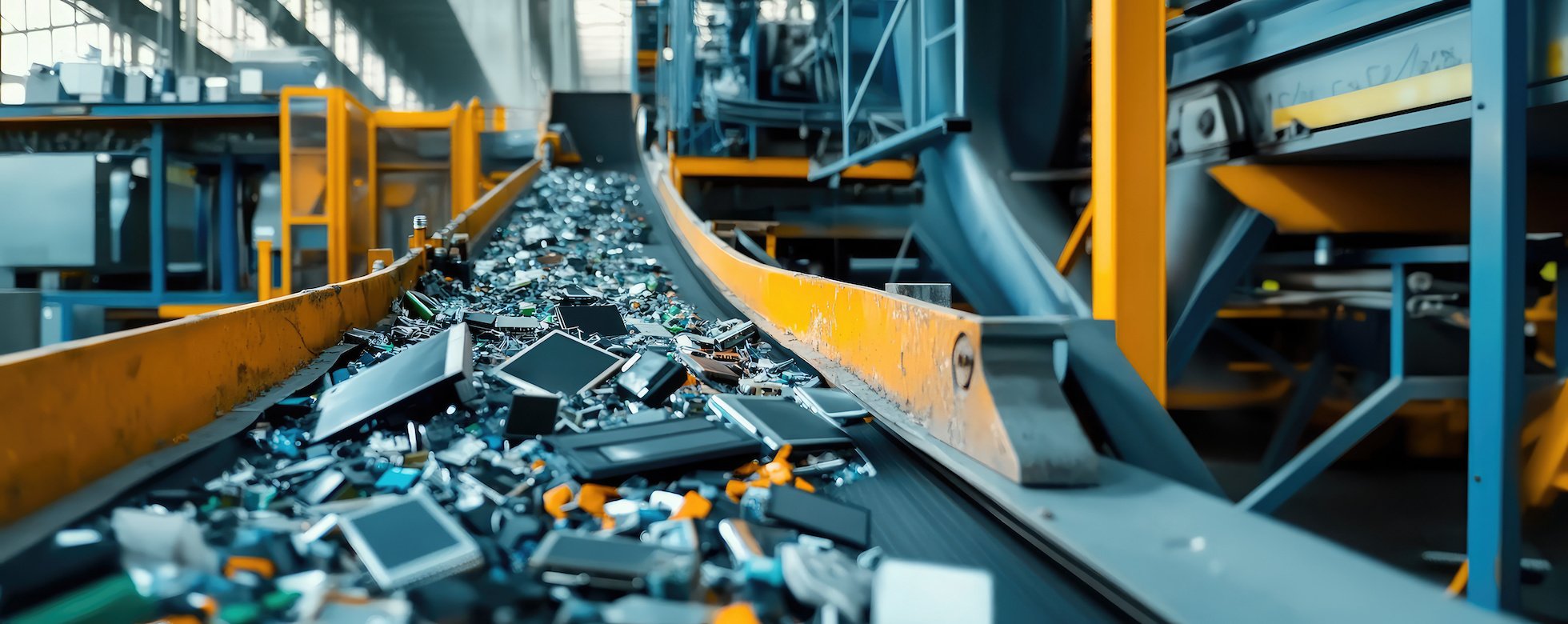
Communities located near e-waste processing sites bear the heaviest burden of improper disposal. Workers at informal recycling operations, including children in some regions, are exposed to toxic fumes, heavy metal dust, and contaminated water on a daily basis. Research has documented elevated levels of lead in the blood of children living near e-waste sites, as well as increased rates of respiratory illness, kidney damage, and neurological disorders among workers.
The health impacts are not limited to distant communities. When e-waste is landfilled domestically, contaminants can migrate into local groundwater supplies. Incinerating electronics releases dioxins and furans into the air, substances that are among the most toxic compounds known to science. Even businesses that believe they are disposing of equipment responsibly may be contributing to these outcomes if they do not verify their recycler's actual practices.
Environmental Damage from Improper Disposal
Beyond human health, the environmental cost of e-waste extends to virtually every natural system. Soil contamination from landfilled electronics can render land unusable for agriculture or development. Heavy metals that enter waterways accumulate in fish and shellfish, working their way up the food chain. Air pollution from burning plastics and circuit boards contributes to smog and respiratory hazards in surrounding areas.
There is also an enormous hidden cost in the resources that are lost when electronics are not recycled. A single ton of circuit boards contains more gold than a ton of gold ore. Copper, aluminum, palladium, and rare earth elements are all present in IT equipment in recoverable quantities. When these materials go to landfill, they must be replaced by mining virgin resources, a process that carries its own substantial environmental footprint including habitat destruction, water consumption, and carbon emissions.
Why Responsible Recycling Makes a Difference
Certified electronic recycling addresses every dimension of the e-waste problem. Proper recycling safely extracts hazardous materials and ensures they are handled according to environmental regulations. Valuable commodities are recovered and returned to manufacturing supply chains, reducing the demand for virgin mining. And certified recyclers maintain documented processes that verify equipment is processed domestically under safe, regulated conditions.
The circular economy model that responsible recycling supports is not just an environmental ideal. It is a practical approach that recovers real economic value from materials that would otherwise be lost. Businesses that participate in this cycle benefit from reduced disposal costs, potential revenue from commodity recovery, and documentation that demonstrates compliance with environmental regulations.
What CT Businesses Can Do
Every Connecticut business that uses technology can take meaningful steps to reduce the environmental cost of e-waste. The most important actions include:
- Choose a certified recycler: Work with an electronics recycler that follows documented environmental and safety standards, provides certificates of recycling, and can demonstrate where materials actually go
- Implement a disposition policy: Establish clear procedures for how end-of-life equipment is handled, who is responsible, and which vendor processes the material
- Maximize equipment lifespan: Before recycling, consider whether equipment can be refurbished and redeployed internally or remarketed through a professional IT asset disposition program
- Educate employees: Make sure staff understand why electronics should never be placed in regular trash and how to route retired equipment through proper channels
- Track and document: Maintain records of all equipment dispositions, including quantities, methods, and recycler certifications, to demonstrate your organization's environmental commitment
Small changes in how a business handles retired technology can have a significant cumulative impact, especially when multiplied across the thousands of Connecticut companies that refresh their IT equipment every year.
High Tide's Commitment to Environmental Responsibility
At High Tide Commodities Management, environmental responsibility is not a marketing message. It is the foundation of how we have operated for more than 25 years. From our Branford, CT facility, we process electronics from businesses across Connecticut using methods that prioritize material recovery, minimize landfill waste, and ensure full compliance with state and federal environmental regulations.
We break down retired equipment to its component materials, recovering metals, plastics, and glass for return to domestic manufacturing supply chains. Hazardous materials are separated and processed through licensed channels that meet all regulatory requirements. Every client receives documentation that verifies how their equipment was handled, giving you the proof you need for environmental audits and corporate sustainability reporting.
Whether you are retiring a handful of desktop computers or decommissioning an entire data center, High Tide has the capacity, expertise, and commitment to handle your electronics responsibly. Contact us today or call (203) 687-9370 to learn how we can help your organization reduce its environmental footprint while protecting your data and recovering value from retired IT assets.